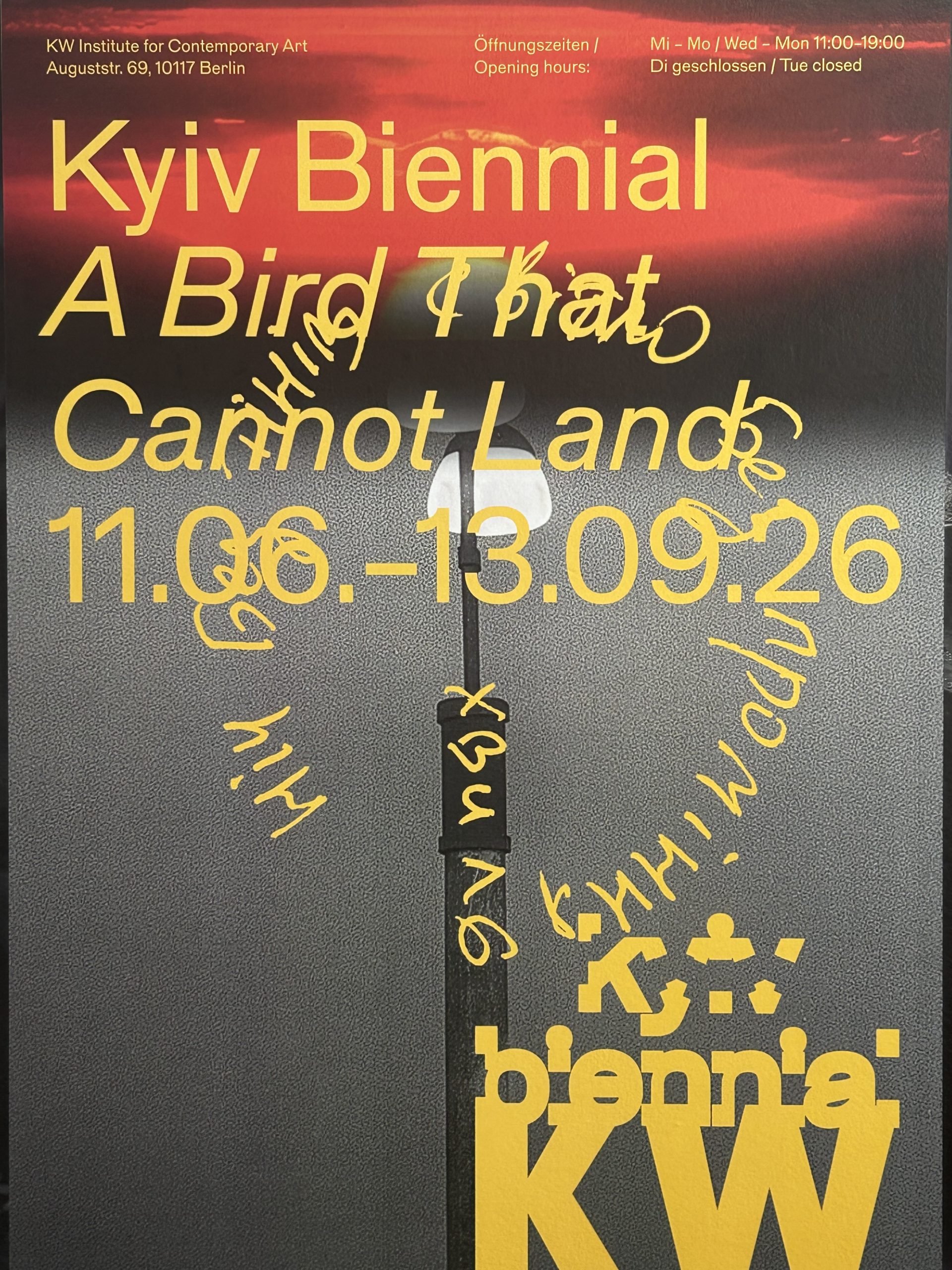
This is less an article about the exhibition itself than about the experience of being inside it—and about a question that stayed with me afterwards:
what happens when an exhibition succeeds in making us feel intensely, but leaves little space for us to respond?
Kyiv Biennial: A Bird That Cannot Land is presented at KW Institute for Contemporary Art in Berlin from 11 June to 13 September 2026. The exhibition brings together more than forty international and intergenerational artistic positions and extends across the entire KW building. Its curatorial framework examines war, displacement, coloniality, migration, borders and contested histories across what the Biennial describes as a “Middle-East-Europe” — a region understood less as a fixed geography than as a field of overlapping political and historical conditions. The exhibition is curated by Sofie Krogh Christensen with Linda Franken and Radia Soukni, alongside an extended curatorial team.
Figure 01. Lesia Vasylchenko, Night Without Shadows and Light Without Rippling of Waves, 2025/2026. Installation view, KW Institute for Contemporary Art, Berlin. Video: Patrizia Litty, 2026.
Before I even entered the exhibition there was a threshold.
A thick black wool curtain covered the entrance. I stood in front of it for longer than I expected. Behind it was darkness, and already there were intense sounds coming from somewhere inside.
I hesitated.
There was something about having to physically pull the curtain aside and step into a space I could not see that made me nervous before I had encountered a single work.
Eventually I went in.
And almost immediately I felt that I was no longer simply looking at an exhibition. I had entered something.
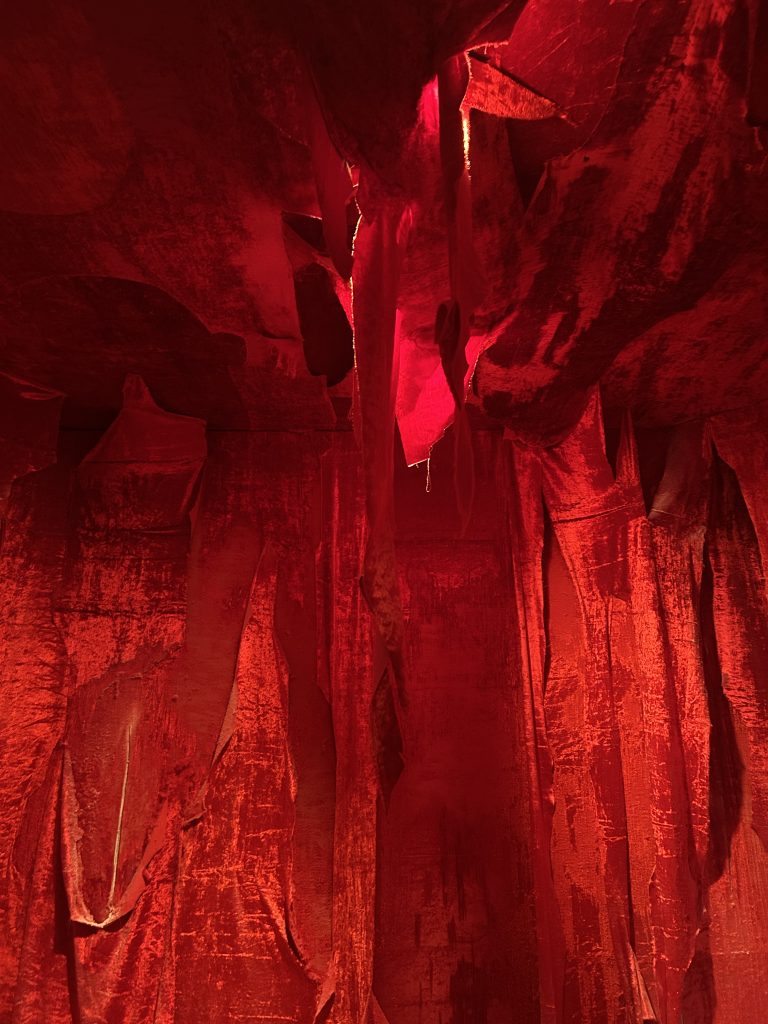
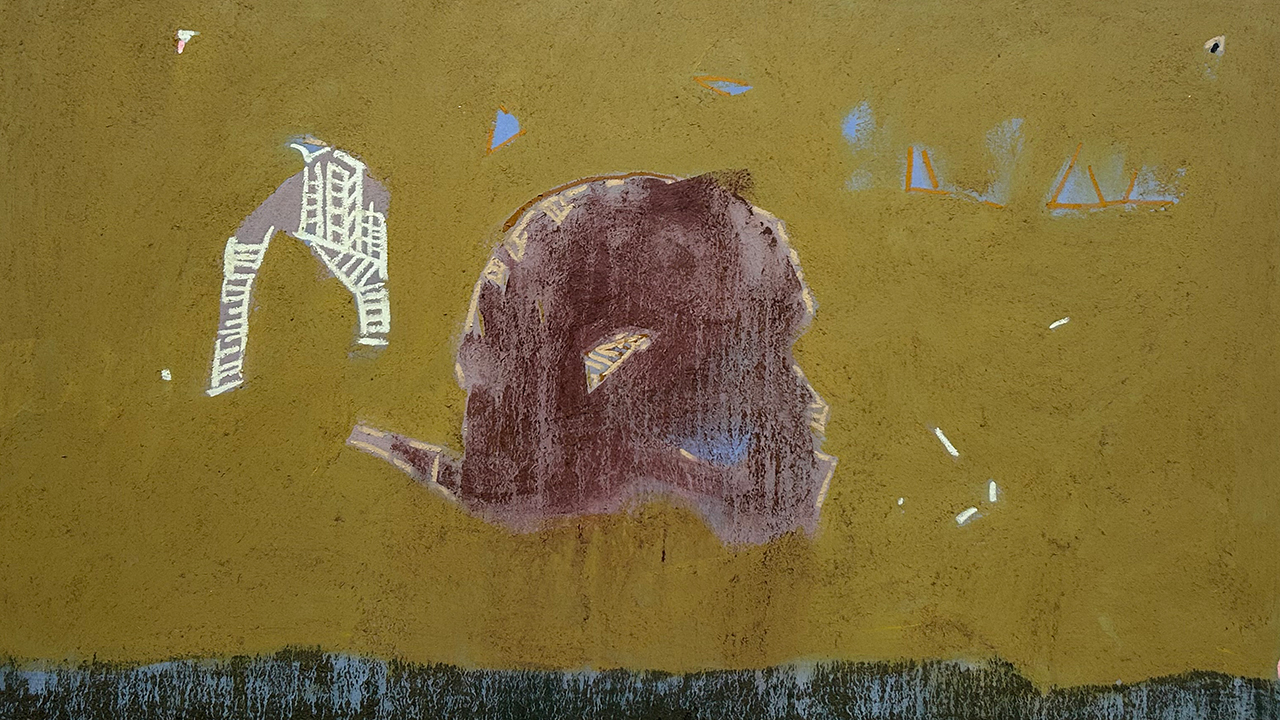
Figure 02. Gulnur Mukazhanova, Material as Memory, 2026. Installation view, Kyiv Biennial: A Bird That Cannot Land, KW Institute for Contemporary Art, Berlin. Photo: Patrizia Litty, 2026.
The intensity of this encounter was not entirely incidental. KW’s own accessibility information describes the exhibition space as darkened and explicitly warns that the exhibition contains representations of racism, death, war, physical violence and psychological violence. KW also notes that approximately 27 works are installed across the building, with around 244 minutes of audiovisual material in total. A visitor attempting to experience every work in full would spend approximately four and a half hours inside the exhibition (KW Institute for Contemporary Art, 2026).
The Biennial’s wider programme makes clear that affect is not peripheral to its curatorial thinking. KW describes the project as bringing together contemporary art, sound and exchange, with works shaped by “lived experiences” of rupture, migration and histories that persist in bodies and spaces. Its live programme explicitly investigates music’s affective force, while associated events include listening sessions, performances and somatic formats (KW Institute for Contemporary Art, 2026).
Figure 03. Dana Kavelina, Grey Earth, 2026. Stop-motion film, installation view, Kyiv Biennial: A Bird That Cannot Land, KW Institute for Contemporary Art, Berlin. Video excerpt filmed by Patrizia Litty, 2026.
It was incredibly intense and hard to handle. At some point I nearly felt nauseous, and afterwards I wondered whether that was really necessary.
Empirical research supports a distinction between emotional impact and political effectiveness. In a study involving nearly 1,400 participants encountering The Troubles and Beyond at the Ulster Museum in Belfast, Balcells and Voytas (2025) found that the exhibition produced strong emotional responses, yet these did not correspond to significant changes in participants’ perceptions of the conflict or their preferences for how it should be addressed. Similarly, Pelowski et al. (2026), studying socially focused exhibitions addressing refugees and climate change, found that artists and curators could successfully elicit intended emotional responses, while the relationship between those emotions and subsequent attitude change remained considerably less consistent. Emotional intensity, therefore, cannot in itself be taken as evidence of an exhibition’s political or social effectiveness. The more useful question may be what that emotional response enables afterwards: greater understanding, reflection, dialogue or action (Balcells and Voytas, 2025; Pelowski et al., 2026)
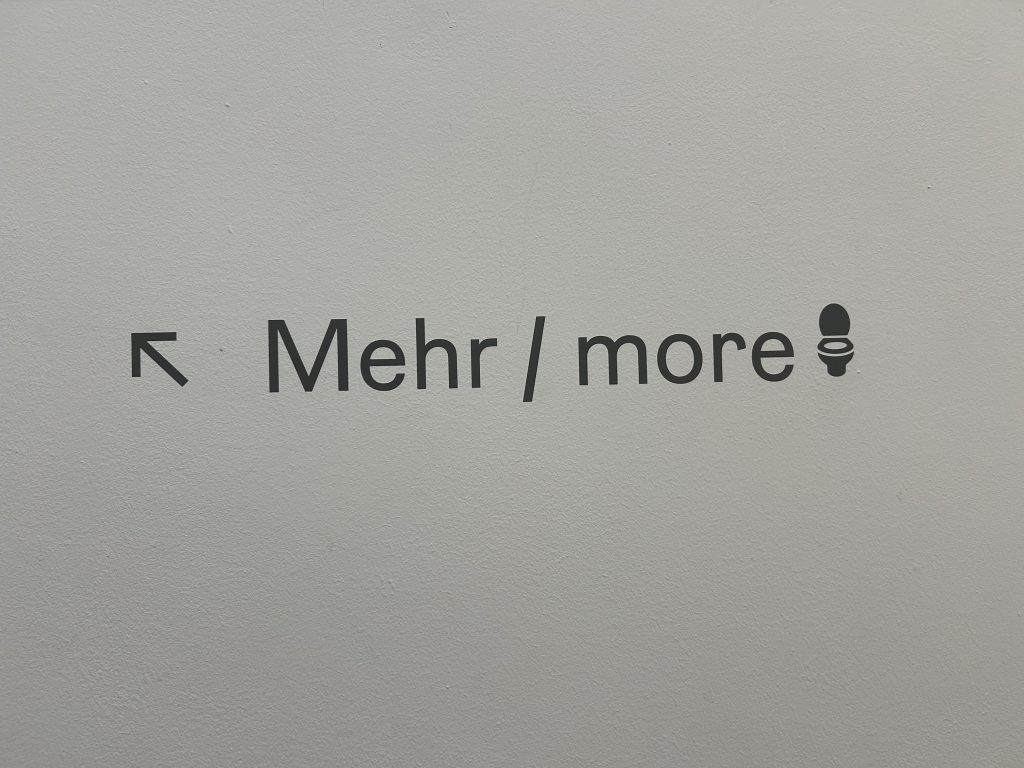
Figure 04. ‘mehr / more’, exhibition signage with adjacent toilet sign, Kyiv Biennial: A Bird That Cannot Land, KW Institute for Contemporary Art, Berlin, 2026. Photograph: Patrizia Litty.
At some point I moved towards a window, almost instinctively, to take a breather.
Looking down into the courtyard, I could see people sitting under the trees in the shade, having lunch, talking and laughing. It was a completely ordinary summer afternoon. Life was continuing just a few metres away.
The contrast was strange. I was standing inside an exhibition filled with war, displacement, violence and loss, while below me people were eating and chatting in the sunshine. For a moment it felt as though I was looking into a parallel universe.
Rather than relieving what I was feeling, the normality of the scene seemed to intensify it.
There was something very one-way about the experience. I stood there with tears and a huge emotional response, but there was nobody to give that response back to. The exhibition kept speaking, and I kept receiving. I was inside it physically and emotionally, and I could not simply switch it off.
There is some evidence that providing visitors with a means to respond can change how an emotionally difficult exhibition is processed. In a small experimental study at the United States Holocaust Memorial Museum, Betts et al. (2015) compared visitors who simply experienced the exhibition with those who were subsequently invited to make art in response, write reflectively and discuss their experience with others. Participants given these opportunities reported greater consolidation and understanding of the experience, and showed increased immediate empathy whose effects remained detectable in follow-ups at two, seven and twelve months. They were also more likely to discuss complex aspects of the exhibition afterwards rather than communicating primarily their distress or historical information. Significantly, however, the intervention did not increase participation in social or political action. The study is small, involving only twenty-two participants, but it suggests that giving viewers space to articulate, share and process an emotional response may help transform an intense museum encounter from something merely received into something reflected upon and exchanged (Betts et al., 2015).
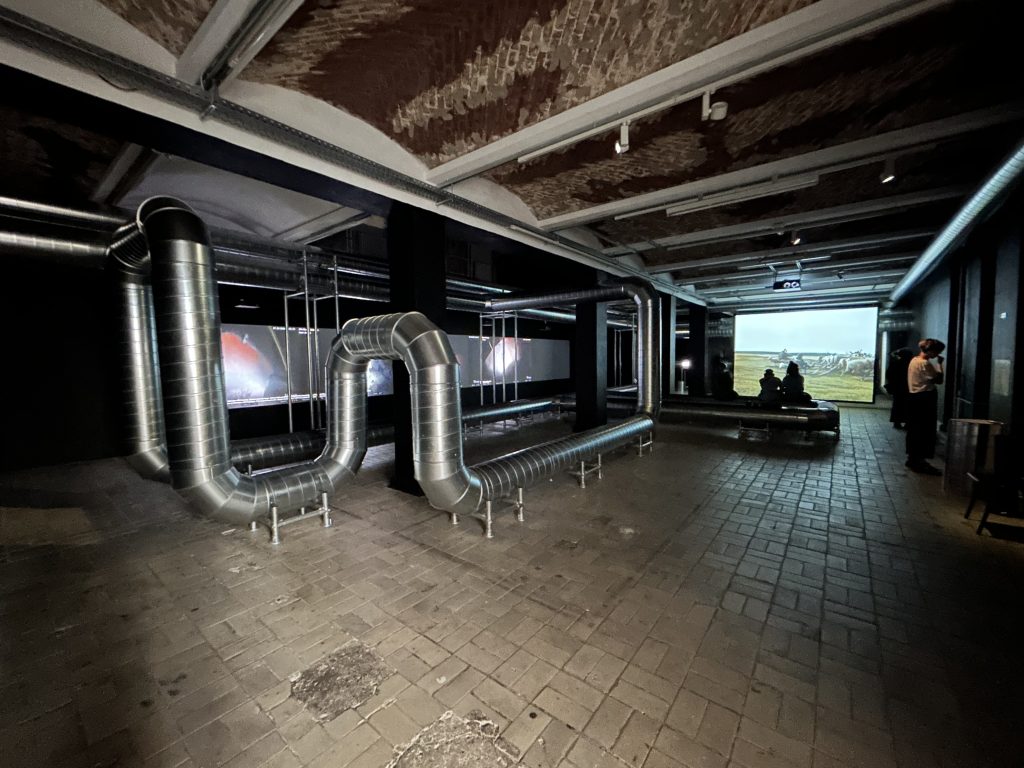
Figure 05. Installation view, Kyiv Biennial: A Bird That Cannot Land, KW Institute for Contemporary Art, Berlin, 2026. Photograph: Patrizia Litty.
Looking back, the exhibition felt at times more like a thriller or horror film than a space for reflection. The darkness, sound, repetition and accumulation of distressing material seemed designed to keep intensifying the experience, almost pushing the viewer towards an emotional threshold.
Most people around me appeared to move through it without difficulty, which made me wonder whether we have become so accustomed to constant stimulation that exhibitions increasingly need to become louder, darker and more immersive in order to make us feel anything at all.
What I found myself wanting instead was more information, more context and more room to think. Not a didactic exhibition, and not less contemporary art, but an exhibition able to hold complexity through documents, histories, testimony, images, objects and quieter forms of mediation. I wanted less spectacle and less emotional escalation, and more material that allowed me to understand the subject rather than primarily experience its intensity.
Perhaps an exhibition that deliberately asks so much emotionally of its visitors could also provide a space in which that experience can be processed. This need not be elaborate: a quieter room, a place to sit and talk, an invitation to write something down, a wall on which visitors can leave responses, or simply somewhere to pause before returning to the outside world. The point would not be to prescribe another response, but to make the encounter less one-directional — to allow the viewer to move from receiving towards reflecting, articulating or exchanging.
Research into visitor responses to difficult museum material suggests that opportunities for reflection, discussion and creative response can help visitors process and integrate emotionally demanding experiences, even if they do not necessarily translate into political action (Betts et al., 2015).
References
Balcells, L. and Voytas, E. (2026) ‘The Troubles and Beyond: The impact of a museum exhibit on a post-conflict society’, American Journal of Political Science, 70(3), pp. 1146–1163. doi: 10.1111/ajps.70001.
Betts, D.J., Potash, J.S., Luke, J.J. and Kelso, M. (2015) ‘An art therapy study of visitor reactions to the United States Holocaust Memorial Museum’, Museum Management and Curatorship, 30(1), pp. 21–43. doi: 10.1080/09647775.2015.1008388.
KW Institute for Contemporary Art (2026) Kyiv Biennial: A Bird That Cannot Land.
Pelowski, M., Marengo, E., Cotter, K.N., Kühnapfel, C., Speidel, K. and Fingerhut, J. (2026) ‘Designing emotions as mediators of attitude change from socially-focused art exhibitions: Two studies of matched artist/curator intentions and viewer response on the refugee crisis and climate awareness’, Empirical Studies of the Arts, 44(1), pp. 195–255. doi: 10.1177/02762374251349376.