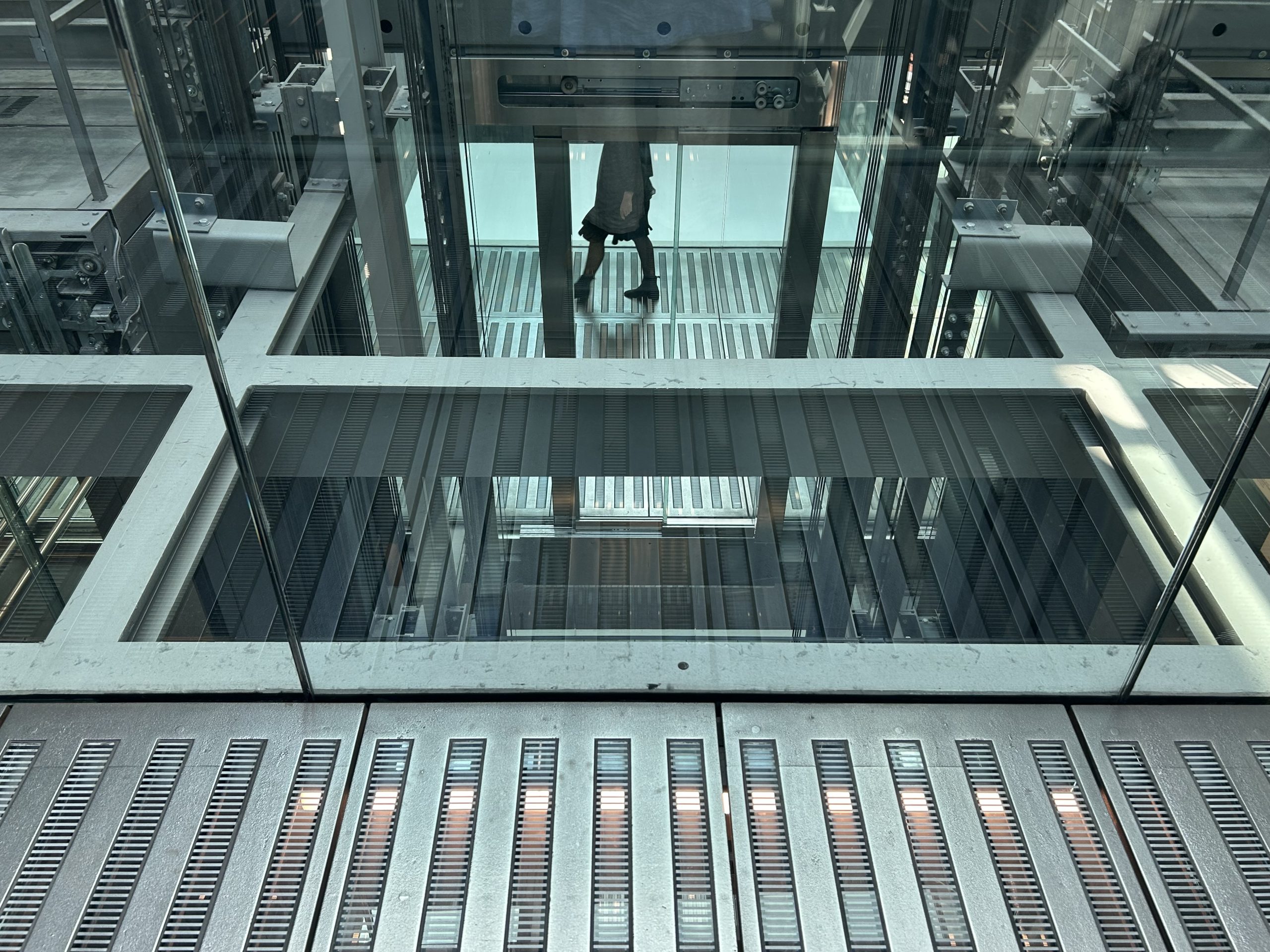
Random reflections on this comprehensive exhibition across four floors of the museum. The show was divided into four acts + the prologue, like a play. The prologue on the ground floor served as both an introduction and a conclusion, creating an infinite loop.
The central question is anchored in Kate Millet’s work: Terminal Piece, and asks – Who is watching? Who is seen? Where do we position ourselves?
ACT 1 – the tension of looking
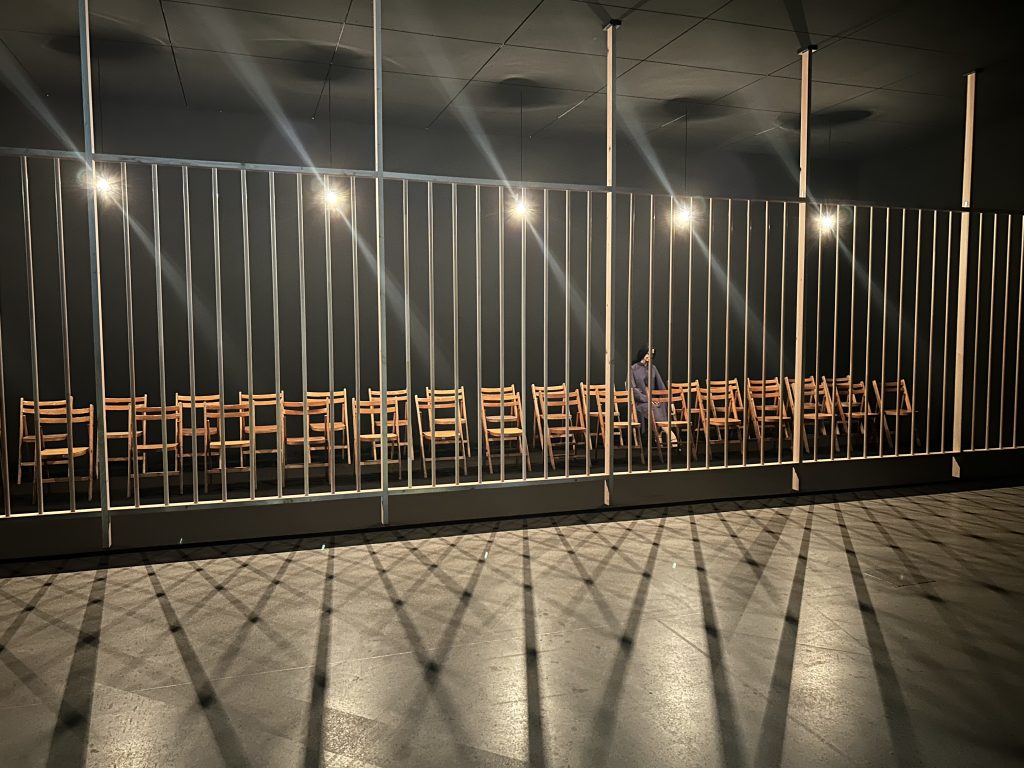
Fig. 01. MILLETT, Kate. Terminal Piece (1972). Installation view, mumok, Vienna, 2026. Photograph by author.
The work reverses the usual position of the viewer. It resembles the audience space of a theatre, with only one figure seated behind a fence, while we stand on the other side — almost as if we are on stage. We look at the audience while also looking at an artwork. But are we still viewers, or have we become part of the work ourselves? And does the fence separate us from the work, or place us inside a cage?
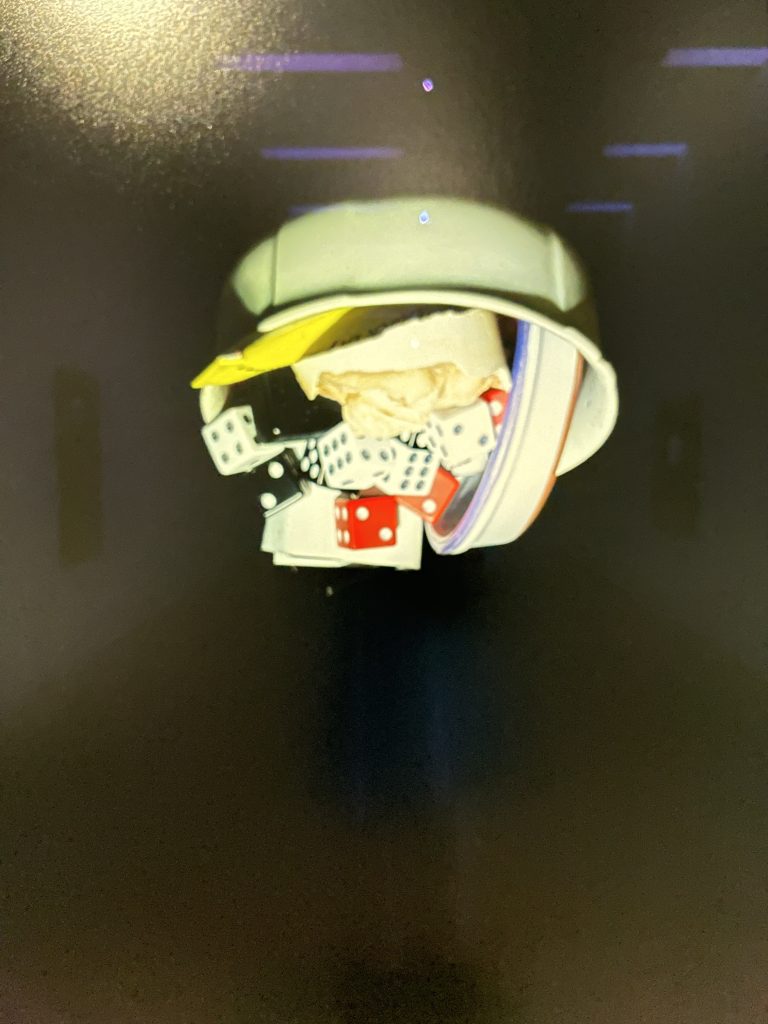
Fig. 02. PLUNKETT, Megan. Dissembalancer (2020–2026). Installation view, Terminal Piece, mumok, Vienna, 2026. Photograph by author.
Plunkett’s mother, who had dementia, created small assemblages from everyday objects. Trained as a forensic photographer, Plunkett examines them almost as evidence: photographing them from different angles, turning them upside down, moving close and then distancing herself. But what is she actually looking at — the assemblages, her mother, or her mother’s illness? And who is she while looking: daughter, artist, or forensic observer?
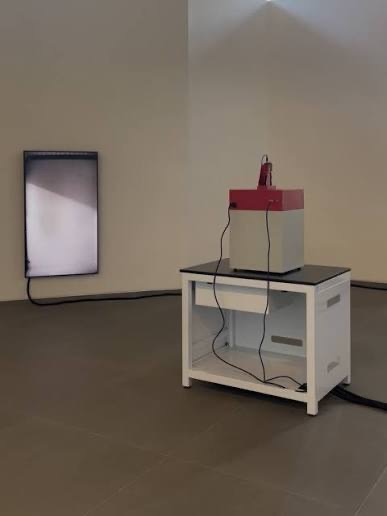
Fig. 03. ADI, Kobby. The Machine (2026). Installation view, Terminal Piece, mumok, Vienna, 2026. Photograph by author.
The work by Kobby Adi consists of a heavy metal laboratory table, cables and multiple live video feeds. The UV lightbox, normally used to illuminate DNA samples, is left empty with its door open. A live feed shows the inside of the empty box, so the sculpture appears to transmit its own interior and presence.
How do we assimilate what happens around us? How do larger forces, energies and developments in the world enter into and shape our personal lives?
These are the questions at the heart of ACT 2. This part of the exhibition brings together film, assemblage, painting and sculpture, often incorporating everyday objects. Across these works, the larger world is refracted through the intimate and familiar, tracing how political, social and cultural currents register within the small universe of personal experience.


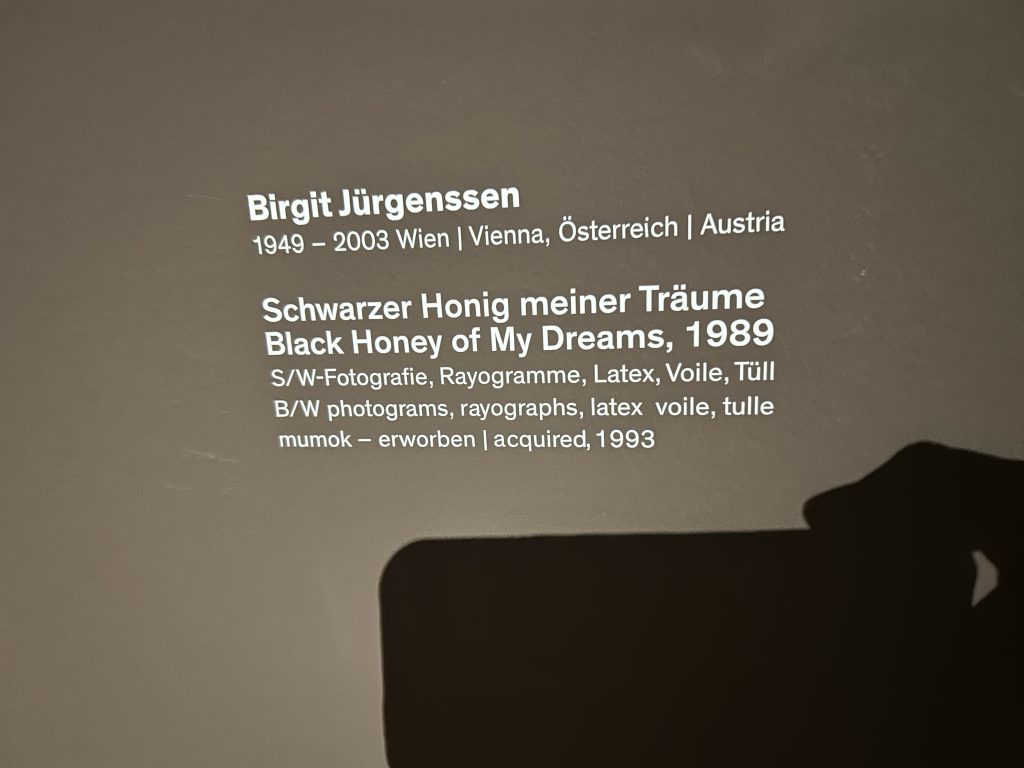
Figs. 04 to 06. Birgit Jürgenssen, Schwarzer Honig der Träume [Black Honey of Dreams], 1992 (1989). Black-and-white photographs, rayograms, latex, voile and tulle, 90 × 210 cm. Three installation views, mumok, Vienna. Photographs: author, 2026.
The figures and objects in this work—a subtle combination of white, sepia and black—feel partly hidden and distant, like traces of memory. Layered upon one another, they evoke times past and a sense of something gradually disappearing. We are not looking at a single moment in time; rather, we are observing time itself as it moves, transforms, destroys and recreates—yet remains something we can never quite grasp.
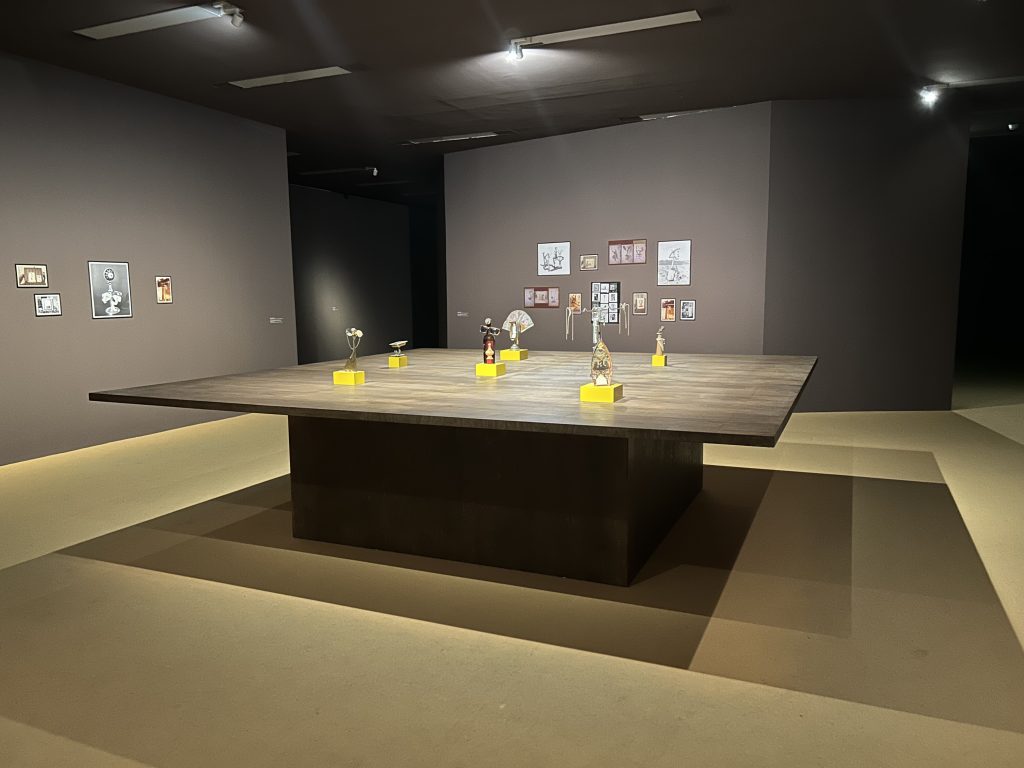
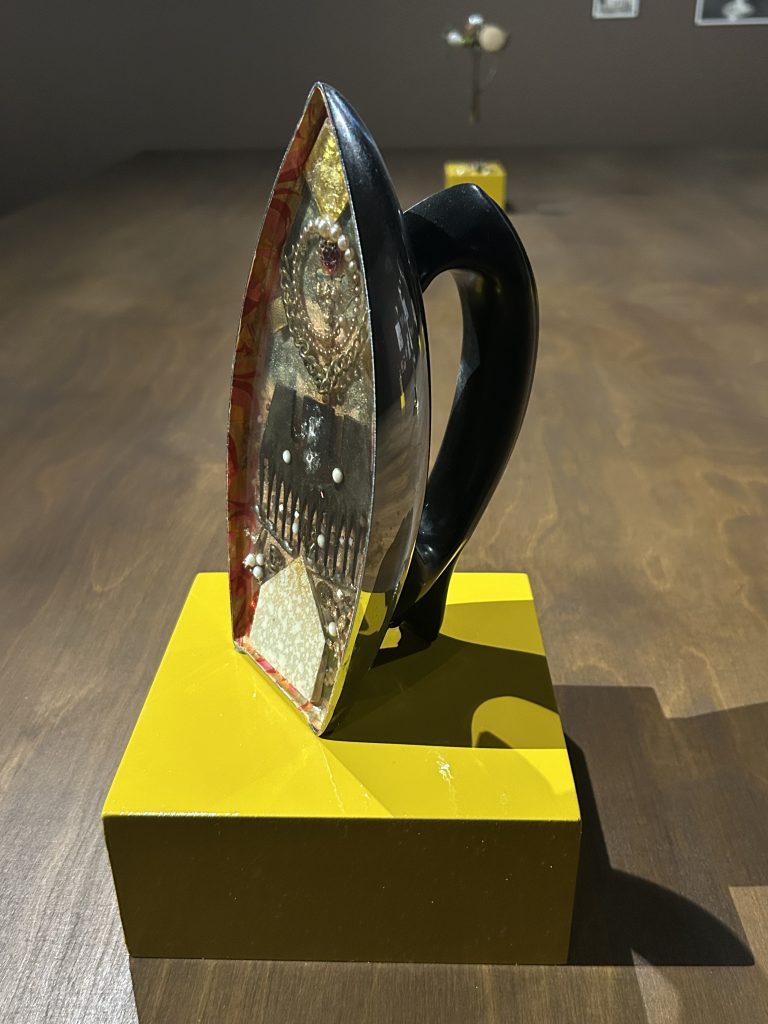
Figs. 07/08. Louis Goodman, selected assemblages, installation view from Terminal Piece – Act 2, mumok – Museum moderner Kunst Stiftung Ludwig Wien, Vienna, 2026. Photographs: author, 2026.
The sculptures of artist and inventor Louis Goodman, assembled from everyday objects, reveal both meticulous craftsmanship and an unmistakable visual wit. Whether transforming an iron with beads and chains or giving a whisky bottle a pair of sunglasses, Goodman clearly delighted in exposing the absurdities of consumer culture.
How do we live in, confront, and adapt to a world that feels overwhelming and strange? The artists in this part of the exhibition use the microcosm of their lived experience as a springboard for engaging with the macrocosm of society.
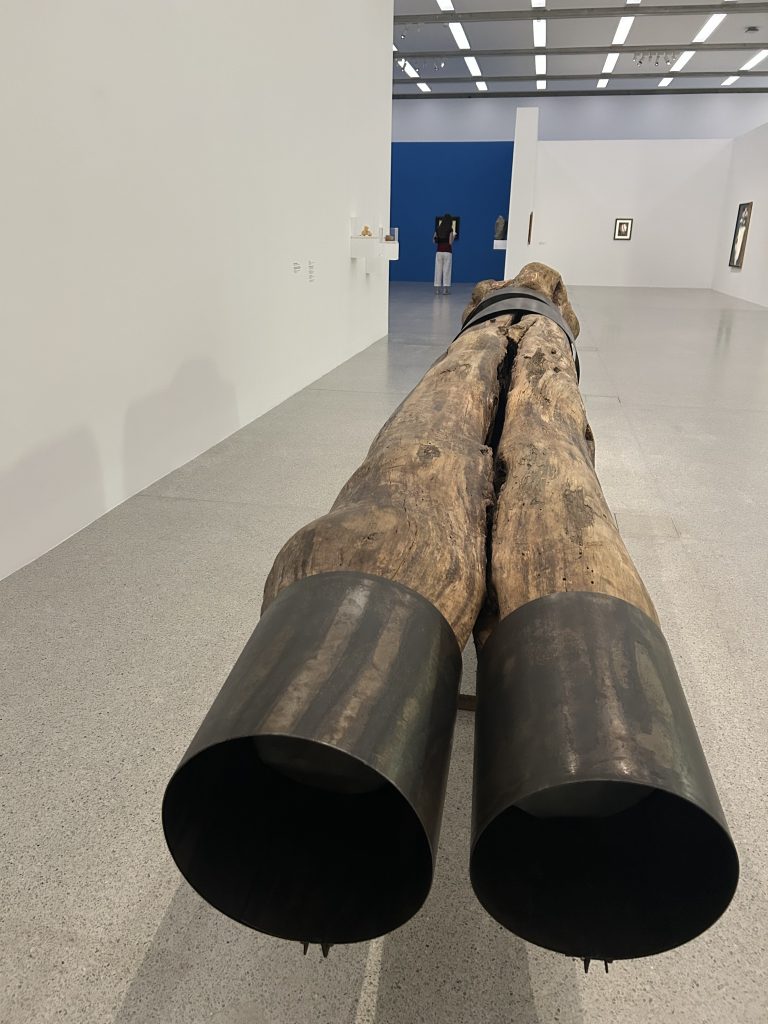
Fig. 09. Magdalena Abakanowicz, Booby Trap, 1987, from the series War Games. Wood and metal. Installation view, mumok, Vienna. Photograph: Patrizia Helene Litty, 2026.
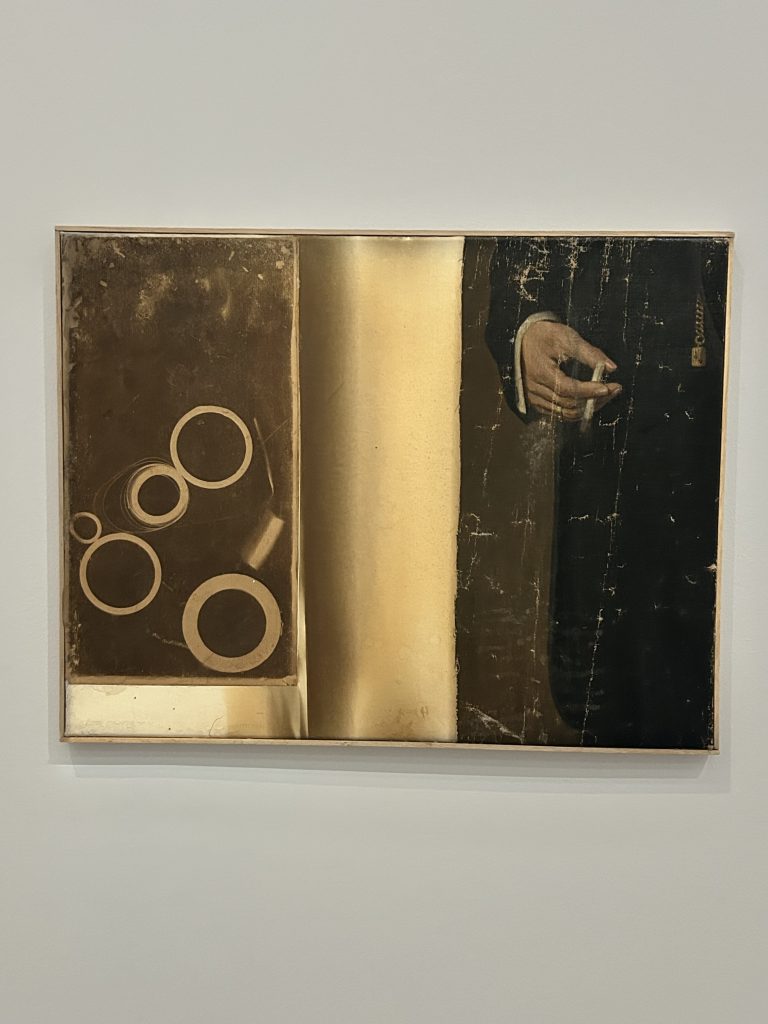
Fig. 10. Christine Gironcoli, Die Hand des Generaldirektors, date unknown. Installation view, Terminal Piece, mumok, Vienna. Photograph: Patrizia Helene Litty, 2026.
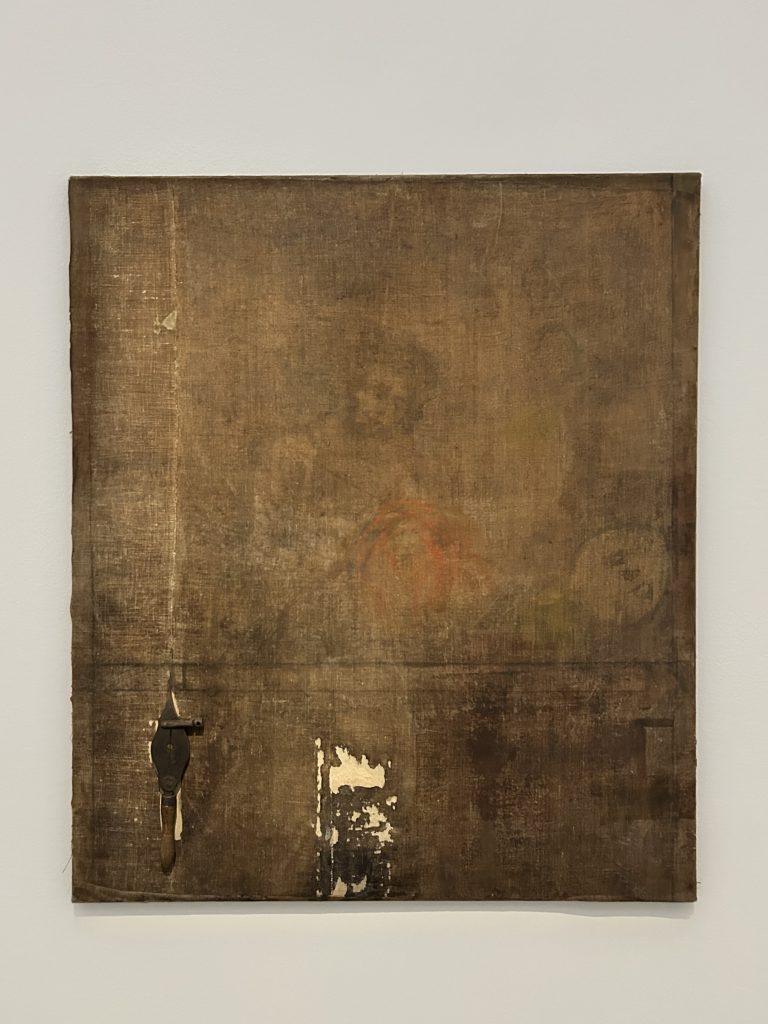
Fig. 11. Christine Gironcoli, Ohne Titel (Mönch), 2025. Installation view, Terminal Piece, mumok, Vienna. Photograph: Patrizia Helene Litty, 2026.
What shapes an image before we can even see it? Act 4 returns to the tension between possibility and given conditions, asking how perception, material, memory and context already influence what can emerge. The works suggest that an image is never completely open or neutral; it develops within structures that both limit and enable what becomes visible.
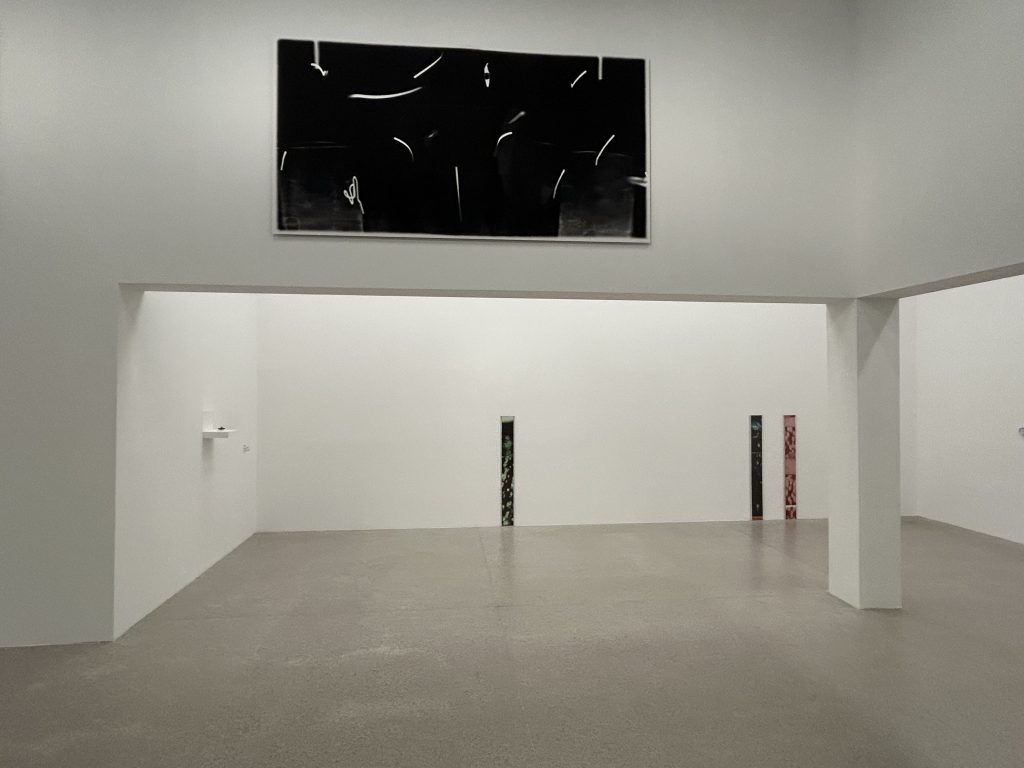
Fig. 12. Nina Porter, installation view, Act 4, Terminal Piece, mumok – Museum moderner Kunst Stiftung Ludwig Wien, Vienna, 2026. Photograph: Patrizia Helene Litty, 2026.
The ground floor is both the beginning and the end of this comprehensive exhibition. Anna Viebrock created this part in a theatrical tradition. Instead of the usual white cube experience, visitors experience a dynamic range of spaces. Disorientating but an exciting engagement with the museum collection that challenges perceived ideas of a museum display.